What DIY can cover safely
For minor smoke exposure and quick surface cleaning, some homeowners can handle basic cleanup with guidance. Start by ventilating the space, using fresh air sources, and wiping non porous surfaces with a mild cleaner. In Oregon, damp conditions can spread moisture quickly, so avoid soaking fabrics or letting water seep into wall cavities. If the area feels stable and odors are minimal, you can address small issues responsibly while monitoring for changes.
However, DIY has limits. Smoke odors can linger deep in porous materials like drywall, fabric, or insulation. Without proper containment and equipment, you risk pushing odors into other rooms or causing secondary damage. That’s where a fire & smoke damage specialist steps in to assess the broader impact across Oregon types of homes and construction styles.
Red flags that mean help is needed
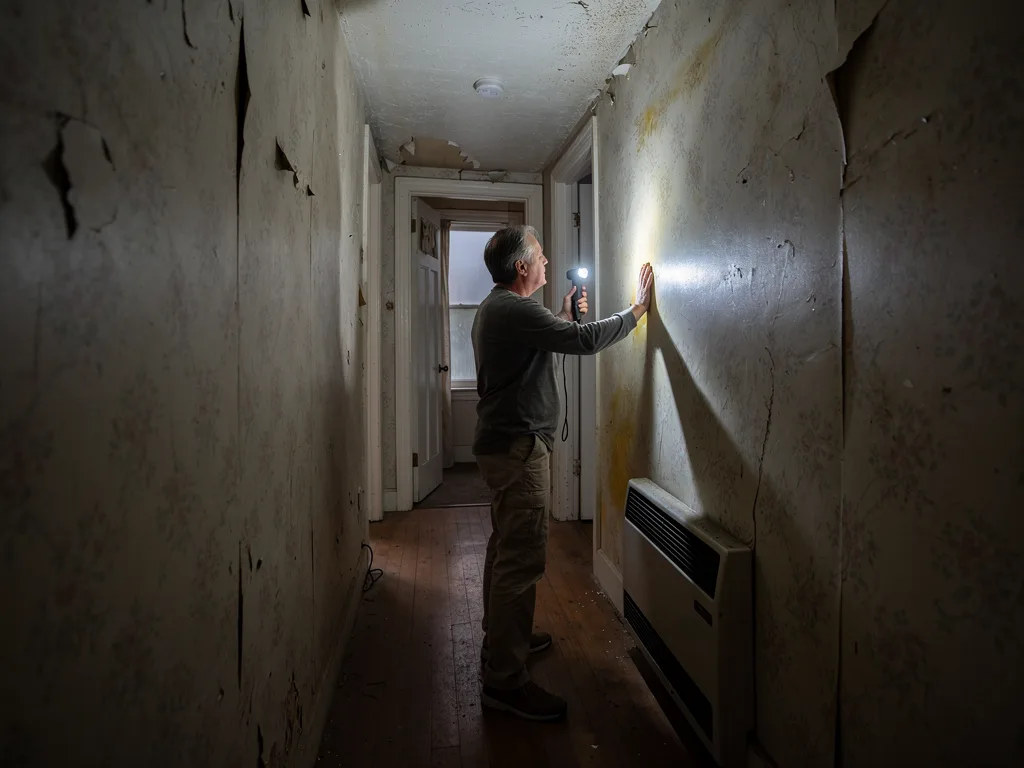
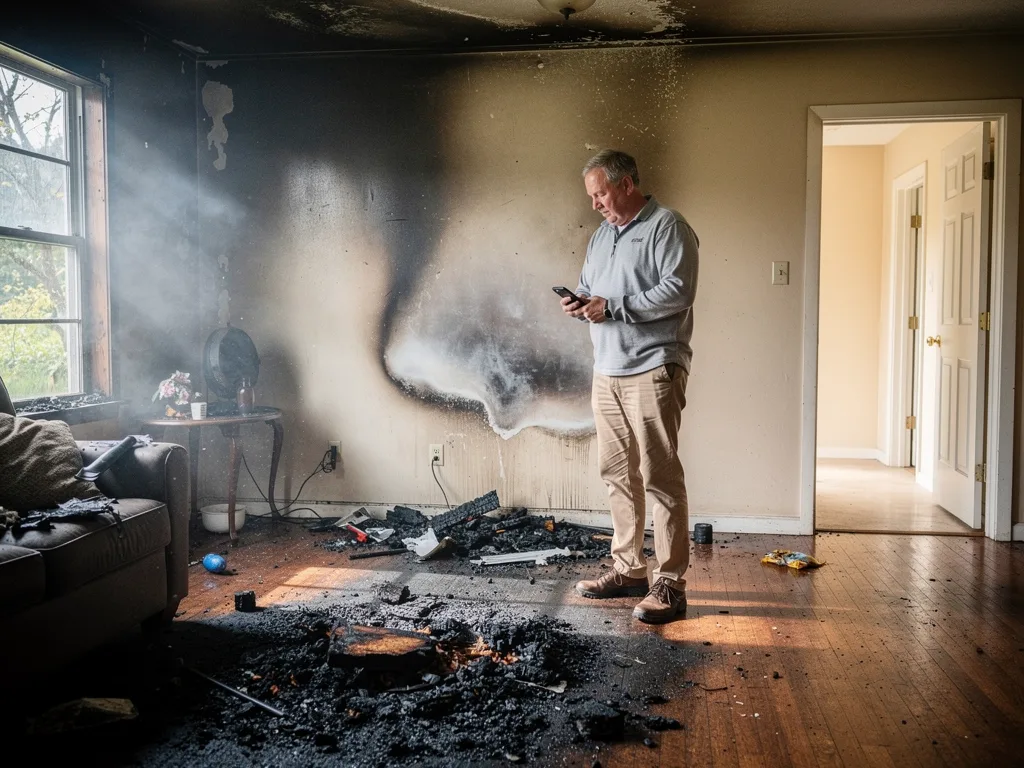
If you notice persistent odors after cleaning, staining on walls, or a damp, musty smell that returns after a few days, it’s time to call a professional. Other signals include soot residue on multiple surfaces, discoloration around electrical outlets, or smoke-related condensation on windows. In Oregon weather, humidity can intensify odor cling, so don’t wait if you’re unsure.
Our team is equipped to handle assessments, containment, and remediation in a way that minimizes disruption. We work statewide across Oregon and can coordinate around your schedule, so you’re not left living with odor or risk longer than necessary.
What a professional process looks like
Once you reach out, a fire & smoke damage specialist will perform a thorough site review, identify affected materials, and determine the appropriate containment measures. In Oregon homes, this may involve seals around affected rooms, cleaning of non porous surfaces, and targeted treatments for odor control. The plan will include a clear scope, timeline, and cost outline that you can review with the crew before any work begins.